
How Much Is Interior Design in Dubai? 2026 Price Breakdown
The honest answer is that interior design in Dubai covers a huge range, from about AED 75 per square foot for a simple residential refresh to well beyond AED 2,000 per square foot for a luxury villa. Most homeowners want something more useful than a shrug, so this breakdown turns that range into figures you can actually plan around. Below we tackle the questions people ask most often, in about the order they arise, pairing each with 2026 market estimates. Each figure here is a market-level range, not a quote, since your actual cost hinges on scope, finish, and the firm you pick. The goal is to help you set a realistic budget and recognise when a proposal seems unusually high or suspiciously low. What follows covers per-square-foot rates, full-project totals, fee structures, and the hidden costs that trip people up.
What Pushes the Cost of Interior Design in Dubai?
Before you look at numbers it pays to understand what really shifts them, since two apartments of the same size can cost wildly different sums. Finish level is the biggest driver, because the gap between standard modular joinery and bespoke stone-and-veneer work is counted in multiples rather than percentages. Location and building type count as well, since high-end towers and gated villa communities frequently bring stricter fit-out rules and higher access costs. Scope is the next factor: a cosmetic refresh of paint and furniture sits far below a full strip-out that touches walls, MEP, and flooring. Imported materials and appliances add shipping and lead time, and a tight supply hasan roomi dubai review season can nudge prices upward. Finally, whether you hire a designer, a design-and-build firm, or manage the trades yourself changes both the cost and the risk you carry.
How Much Does It Cost Per Square Foot in 2026?
The per-square-foot rate is the fastest way to benchmark a project, and it is how many Dubai firms rough out a first estimate. The table below sets out 2026 market ranges for turnkey interior and fit-out work across the main property types, from budget through to luxury. Residential work spans the widest band because it covers everything from a rented studio to a Palm Jumeirah villa. Commercial categories like office, retail, and food and beverage have their own rates, since they involve heavier services, compliance, and often faster programmes. Design-only fees appear separately, since many clients engage a designer for drawings and specification while running the build themselves. Treat each figure as an estimated range, then multiply by your area for a rough order of cost before detailed quoting starts.
| Project type | Standard / budget | Mid-tier | Premium |
|---|---|---|---|
| Apartment (per sq ft) | AED 75–250 | AED 200–400 | AED 600–1,200+ |
| Villa (per sq ft) | AED 90–250 | AED 250–500 | AED 600–2,000+ |
| Office / corporate (per sq ft) | AED 220–350 | AED 280–550 | AED 500–650+ |
| Retail (per sq ft) | AED 300–450 | AED 350–550 | AED 550–700+ |
| Food & beverage (per sq ft) | AED 350–500 | AED 500–900 | AED 900–1,500+ |
| Design-only fee | AED 175–300 / sq ft | AED 300–450 / sq ft | 10–20% of project budget |
What Does a Full Project Cost, Start to Finish?
Per-square-foot rates are useful, but most people ultimately want the all-in figure for their particular home. That figure bundles design, joinery, finishes, furniture, MEP works, and the contractor’s management into one total. Below, the two sub-sections convert the rates above into typical project totals for apartments and villas in 2026. Remember that furniture and loose items can add a surprising amount on top of the fixed fit-out, sometimes 20 to 40 percent for a fully furnished home. Larger design-and-build firms such as Swiss Bureau Interior Design, Depa, and 4SPACE Design handle full turnkey delivery, while studios like CK Architecture Interiors work end to end on luxury residences. The ranges are estimates, so use them to frame conversations rather than to hold anyone to a fixed price.
Apartments
A two-bedroom apartment of roughly 1,100 to 1,500 square feet is the reference point most Dubai residents relate to. At the budget and standard end, a cosmetic-to-moderate scheme typically runs from around AED 200,000 to AED 340,000 in 2026. A mid-range redesign featuring better joinery, quartz surfaces, and branded appliances typically sits between AED 400,000 and AED 750,000. High-end apartments and penthouses, where bespoke joinery and imported finishes take over, commonly start near AED 800,000 and climb past AED 1.8 million. Compact studios and one-bedroom units scale down from these numbers yet rarely dip below the low six figures for a full redesign. On top of that come furnishing, window treatments, and smart systems, so always ask if a quoted total is fit-out only or genuinely turnkey.
Villa Projects
Villas cover the broadest span of any category, because the term stretches from a townhouse to a waterfront mansion. A budget villa scheme, relying on standard finishes and selective updates, can begin as low as AED 80,000 to AED 250,000 in 2026. A mid-range villa redesign typically lands between AED 250,000 and AED 600,000 once you factor in joinery, flooring, and furniture across several rooms. Luxury villas enter the AED 600,000 to AED 2 million bracket, and ultra-prime residences on Palm Jumeirah or in Emirates Hills often range from AED 2.5 million to AED 6 million and up. The sheer floor area is the main multiplier, since every extra room adds joinery, lighting, and finishes. Since villa projects are big, ask for a detailed cost breakdown by room and trade instead of one lump sum.
How Do Designers Structure Their Fees?
Design fees in Dubai follow a few recognisable models, and knowing them helps you compare proposals fairly. Below, the most common approaches appear in order, from simplest to most involved. Which suits you comes down to the scale of your project and how much hand-holding you want from concept to handover. Some firms blend these models, for instance charging a percentage but capping it, or rolling design into a design-and-build package. Sustainability-minded fit-out specialists such as Summertown Interiors, along with broader contractors, are increasingly bundling design and delivery under a single accountable roof. Whatever model you pick, put the scope, number of revisions, and site-visit count in writing so the phrase design fee means the same to both sides.
- By the square foot: a fixed rate applied to your area, easy to compare and common for standard homes.
- Percentage of budget: usually 10 to 20 percent of project cost, scaling with scope.
- A fixed lump sum: one agreed design fee for a defined deliverable and revision count.
- Design-and-build delivery: design folded into a single turnkey contract with the contractor.
What Hidden Costs Catch People Out?
The headline fit-out number is rarely the whole story, and the extras are where budgets quietly overrun. Approvals lead the list: a no-objection certificate and a fit-out permit are required before work begins, and drawings sometimes need paid revisions to pass. Utility hook-ups and any DEWA-related works, together with Dubai Civil Defence sign-off on fire and safety, pile on both cost and calendar time. Loose furniture, curtains, rugs, and styling are frequently excluded from fit-out quotes yet can add tens of thousands of dirhams. Snagging and post-handover fixes, storage during works, and temporary accommodation if you move out all belong in a realistic budget. Set aside a contingency of around 10 to 15 percent, because even well-run Dubai projects meet a surprise or two along the way.
How Do You Get the Most From Your Budget?
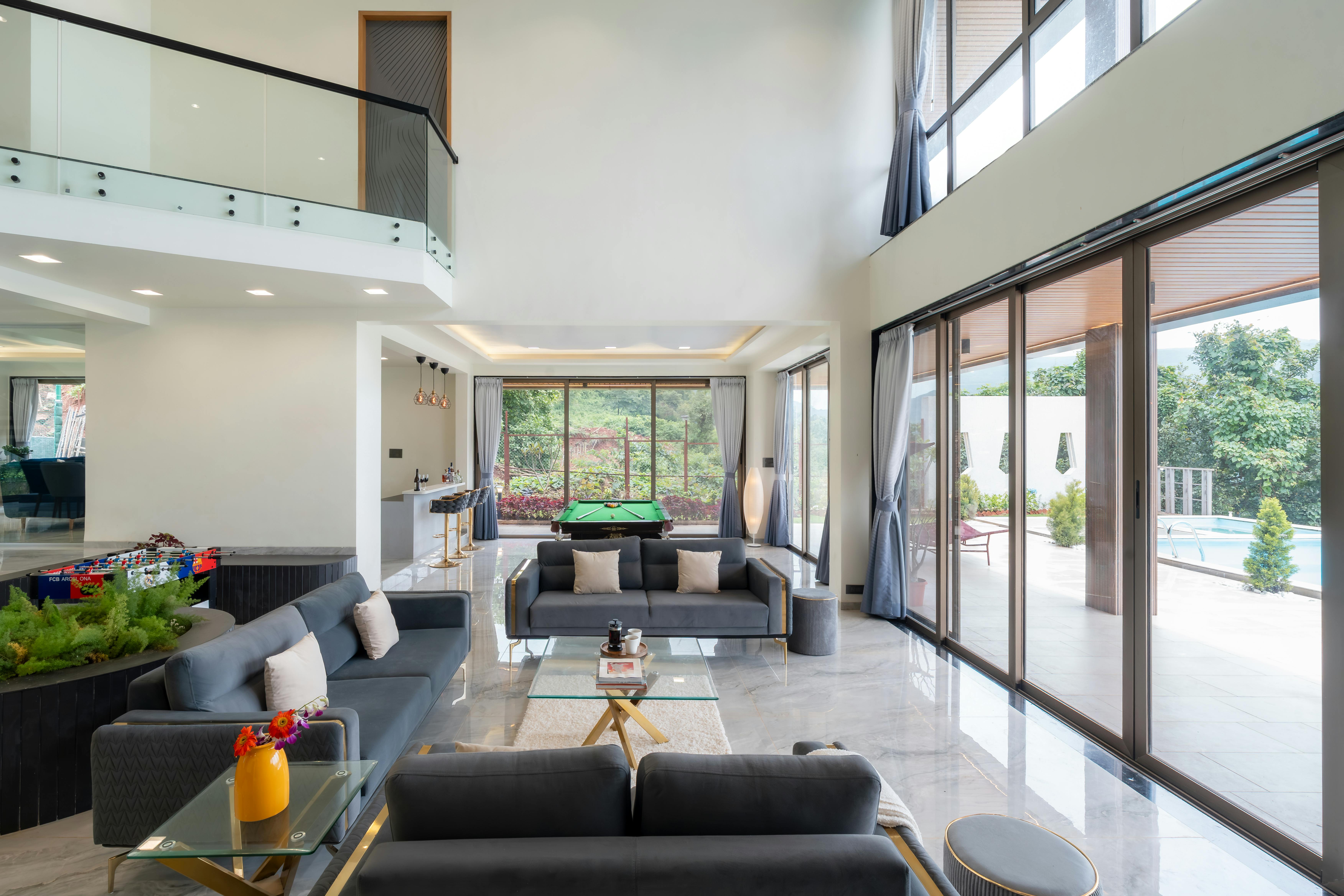
Spending wisely counts for more than spending less, and a handful of disciplined choices stretch a Dubai budget a long way. The steps below are ordered roughly by impact, starting with the decisions that save the most money for the least compromise. The thread running through them is to focus spend where you touch and see it daily, and to cut back where you honestly will not notice. Getting multiple itemised quotes is the single best protection against overpaying, because it exposes both padding and unrealistic lowballs. Phasing a large project can also spread the cost across a year without sacrificing the end result. Apply these and you will feel the difference in both the finished home and the final invoice.
- Invest in the surfaces and joinery you touch daily; cut back on things you hardly notice.
- Collect at least three itemised quotes and compare them line by line, not just on totals.
- Leave the layout and plumbing in place, because relocating services is costly.
- Tackle the work room by room if a full project stretches the budget all at once.
- Verify whether every quote is fit-out only or fully furnished before you sign.